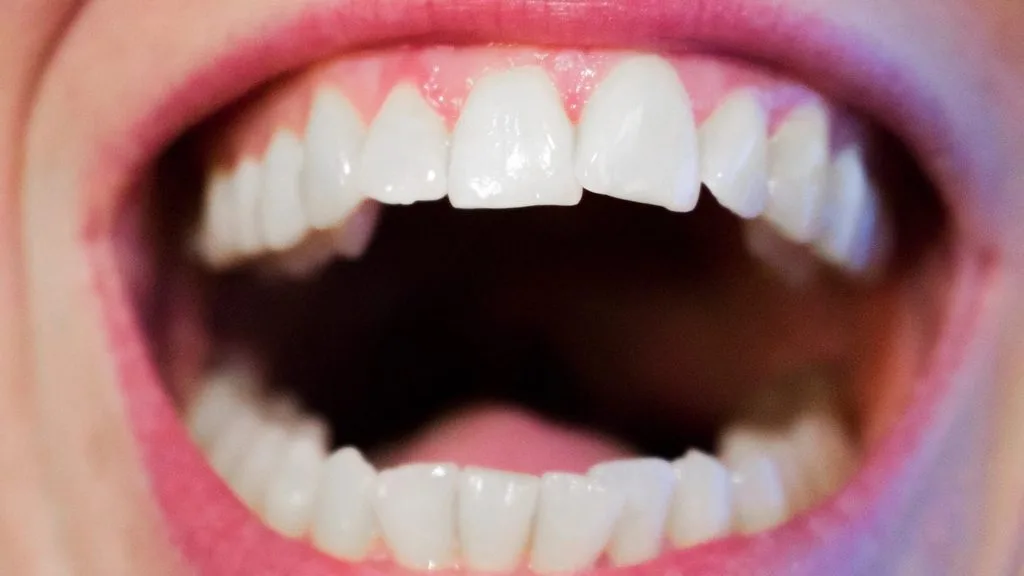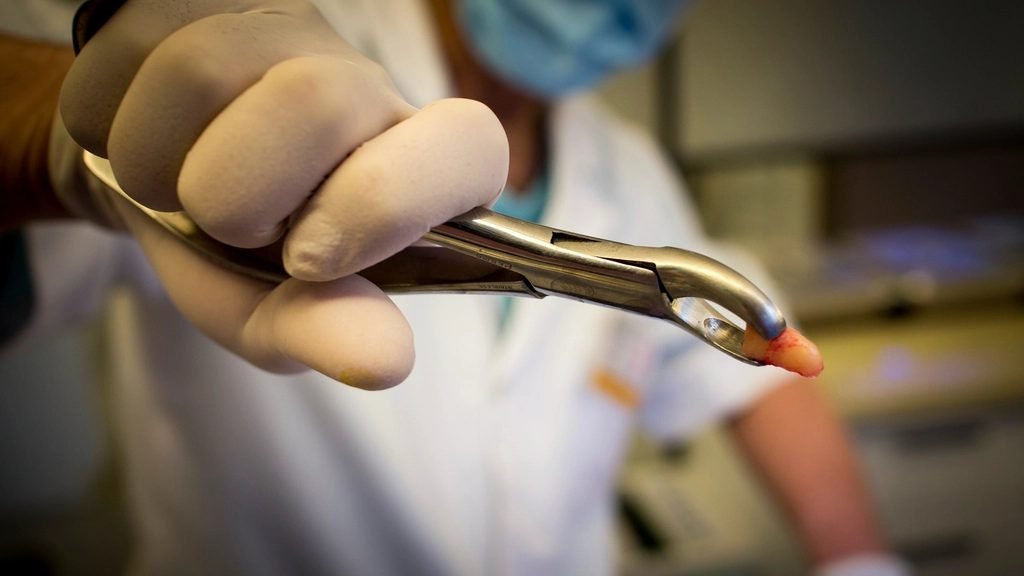
Keeping a tooth that can be saved with root canal treatment is, in most cases, a better option than extracting it and replacing it with something else. However, not every tooth can be saved. If there is a vertical crack in the root, if too little healthy tooth structure remains, or if the bone supporting the tooth has been severely lost, extraction may be the right choice. The decision depends on an examination, X-rays and an assessment of the gum and bone around the tooth.
Why Is Keeping the Tooth Important?
Your own tooth, with its root and surrounding tissues, handles chewing forces in the most natural way. When the space left by an extracted tooth is not filled, these problems can develop over time:
- Neighbouring teeth tilt into the gap, and the opposing tooth grows down into it.
- Food trapping between teeth and gum problems increase.
- The jawbone where the tooth was removed gradually shrinks.
- Chewing shifts to the other side of the mouth.
This is why an extracted tooth usually needs to be replaced with an implant, a bridge or a removable denture, which means additional treatment, time and cost.
When Can a Tooth Be Saved With Root Canal Treatment?
- When decay or a fracture has reached the nerve, but enough healthy structure remains above the gum to restore the tooth with a filling or crown,
- When there is an infection at the root tip but the root itself is sound,
- When the supporting bone and gum are adequate and the tooth is not noticeably loose.
When May Extraction Be the Better Choice?
- Vertical root fracture: Cracks running the length of the root usually cannot be repaired.
- Decay extending below the bone level: When not enough healthy structure remains to hold a filling or crown.
- Advanced gum disease: If the bone supporting the tooth has largely been lost and the tooth is clearly loose, root canal treatment alone will not save it.
- Previous treatments that have failed: When even options such as root canal retreatment and root-end surgery have been considered without success.
- Teeth with no function: For example, a wisdom tooth with no opposing tooth that is hard to clean.
Why Assessing the Gum and Bone Matters
Whether a tooth can stay in the mouth for a long time depends not only on how well the canals are cleaned, but also on the health of the gum and bone around it. A tooth with a good root canal can still be lost if gum disease has weakened its bone support. So before deciding, the pocket depths around the tooth are measured and the bone level is checked on X-rays. If needed, gum treatment is carried out first.
Root Canal and Crown, or Extraction and Implant?
Both approaches can work well when they are planned properly. But extracting a healthy tooth that could be saved and replacing it with an implant is generally not the first choice. Treatment of your own tooth involves less surgery and is often completed sooner. If the tooth has a low chance of being saved, or looks likely to need repeated treatment, extraction and an implant may be more predictable in the long run. You should decide together with your dentist after discussing the pros and cons of each option.
Frequently Asked Questions
Which is harder, a root canal or an extraction?
Both are done under local anaesthesia. A root canal takes longer. An extraction is followed by a few days of healing and then the process of replacing the missing tooth. Rather than which is easier, what matters is whether the tooth can be saved.
Can an implant be placed right after extraction?
In some cases an implant can be placed at the same visit as the extraction. This requires no active infection in the area and enough bone. Otherwise, a few months are allowed for the area to heal.
How long does a root-treated tooth last?
A root-treated tooth with a suitable filling or crown and healthy gums can last for many years without problems. The main things that shorten its life are fracture because the crown was delayed, and new decay.
Whether your tooth can be saved can only be determined with an examination and X-rays. For more information see our root canal treatment and implant treatment pages, and for fees in the TDB tariff our root canal and tooth extraction fee articles. To book an examination at our clinic in Güvenevler, Çankaya, call +90 540 640 6006.
This article is for general information only. Diagnosis and treatment decisions are made by your dentist after an examination.
Related Videos on This Topic
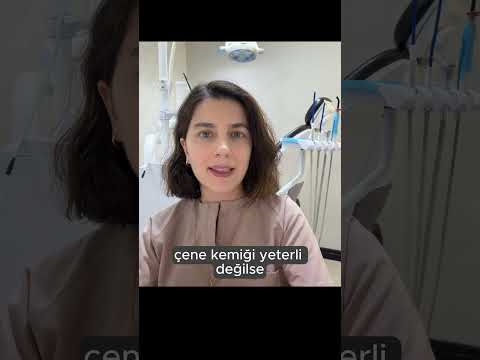
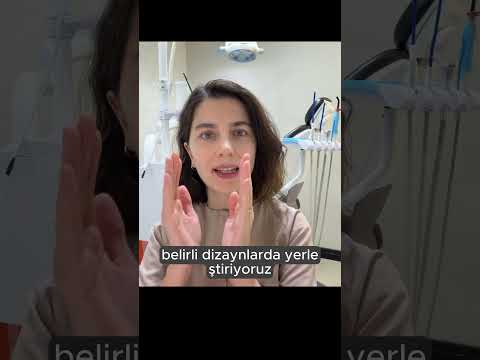
Watch our specialist dentist explain this topic.