Even if you have perfect-looking teeth, if the gums and jawbone surrounding them are not healthy, the risk of tooth loss is high. The specialty that studies the health, diseases and treatment of the soft (gum) and hard (bone) tissues surrounding the teeth is called periodontology. On this page you can find the causes of bleeding gums and gum recession, home care and treatment options. The information is based on the clinical practice of Periodontology Specialist Dt. Nergiz Hamamcı.
Don't ignore bleeding gums: gingivitis and periodontitis
Gum diseases usually progress without pain, so they are noticed late. The first sign is often bleeding while brushing or biting into hard food. The initial stage of the disease is called gingivitis: the gums are red, swollen and prone to bleeding, but the inflammation has not yet reached the jawbone. If it is not treated properly, the infection deepens and progresses to the periodontitis stage. At this stage the inflammation spreads from the gum to the jawbone, the bone supporting the tooth begins to erode, and even teeth without cavities can become loose and be lost.
Why do gums bleed?
Gums can bleed for local (inside the mouth) and systemic (related to general health) reasons. At the root of local causes is bacterial plaque. Bacterial plaque is a colony of bacteria that forms when food debris stays on the tooth surface. If it is not removed, it turns into tartar over time. Tartar can form in two places: above the gum, at a level we can see, and below the gum (subgingival). Immature plaque, as well as tartar on the surface and deep below, causes gum bleeding.
Symptoms of gum disease
- Bleeding gums while brushing or eating.
- Constant bad breath (halitosis) and a bad taste.
- Swelling, tenderness, and dark red or purple color in the gums.
- Receding gums, teeth looking longer.
- Increased sensitivity to hot and cold.
- Loose teeth and new gaps between teeth.
Home care: proper brushing and interdental cleaning
- Brush your teeth for 2 minutes with a soft or medium-hardness brush.
- Place the brush at about a 45-degree angle at the gum line and brush with gentle sweeping motions from red to white, that is, from the gum toward the tooth. Horizontal and hard brushing can cause gum recession.
- A toothbrush alone does not provide all of your oral hygiene. Clean between the teeth with dental floss, interdental brushes or a water flosser, and clean the tongue with a tongue brush or a separate brush.
- Choose the right brush head size and bristle hardness.
How is gum bleeding treated?
When all procedures are performed under local anesthesia, the patient does not feel pain. Treatment is planned according to the stage of the disease:
- Tartar cleaning (scaling): Tartar on the tooth surface and under the gum is cleaned with special instruments; the patient is given oral hygiene training. In the early stage this is usually enough.
- Root surface smoothing (curettage): If the disease has progressed into the gum pockets, tartar and inflamed tissue are cleaned from the root surface of the tooth with hand instruments, ultrasonic devices or a laser; this allows the gum to reattach to the clean surface.
- Advanced surgery (flap surgery): If bone loss has progressed, the tissue around the tooth is opened to reach the tartar on the root surface directly, then the area is closed with suitable stitches.
- Guided regenerative treatments: Tartar can cause material loss on the root surface, first gum recession and then bone loss. Methods such as bone powder (graft) and special membranes are used to regain the lost soft and hard tissue.
Even if your gums do not bleed and your oral hygiene is good, we recommend a dentist check-up every six months.
Gum recession: causes and treatment
Gum recession is one of the most common gum problems. Its causes can be local and general:
- Incorrect tooth brushing: The most common cause we see in our clinic. Brushing the teeth horizontally, in a hurry, with hard bristles or an unsuitable brush size causes the gums to recede.
- Habits: Nail biting, cracking seeds, piercings.
- High fillings or prostheses (occlusal trauma): Overhanging or high restorations can cause gum recession.
- Teeth clenching (bruxism): Can be seen in people who clench their teeth hard at night.
- Tartar and gum inflammation.
- Genetics and age.
- Abnormal frenulum: Excessive pulling by the band (frenulum) in the area.
- Orthodontic treatment: Can be seen especially in the lower front area, at a young age and in severe orthodontic cases.
Treatment approach
We first find the cause and eliminate it. If the gum recession is due to tartar, tartar cleaning is done and followed up. In early-stage recession, once the cause is removed the gum often recovers. If the cause is a brushing habit, the habit is corrected; a high filling or prosthesis is readjusted; the root surface is smoothed by curettage or laser. If there is an abnormal frenulum, it is removed with a small surgical procedure (frenectomy).
If the recession does not close even though the cause has been removed, a soft tissue graft is applied: tissue taken from the patient's own palate is adapted to the area of recession with special surgery. In this way, both aesthetic and functional comfort are regained. In patients undergoing orthodontic treatment, the decision is made together with the orthodontist; sometimes the procedure is done during treatment and sometimes at the end.
In every surgical and invasive procedure, results may vary from person to person. It is recommended that you always get detailed information from your dentist before the procedure.
Specialist Approach for Gum Disease Treatment in Ankara
The diagnosis and treatment of gum diseases, unlike general dentistry practice, require specific expertise and high experience. To stop inflammation and to use your teeth with their own roots for a lifetime, the intervention of dentists specialized in periodontology is essential. When looking for gum disease treatment in Ankara, we protect your health with Periodontology Specialist Nergiz Hamamcı and our experienced team of dentists. At Klinik 99 Oral and Dental Health Polyclinic, we are by your side with scientific and up-to-date treatment approaches for all your periodontal problems, from simple gum bleeding to advanced jawbone loss. You can contact our clinic to build a smile on solid foundations.
Klinik 99 Oral and Dental Health Polyclinic Address: Güvenevler, Güvenlik Cd. No: 99 A-B, 06690 Çankaya/Ankara Phone: 0540 640 6006
Highlights of This Service
- Tartar cleaning
- Curettage treatment
- Gum aesthetics
- Preventive care
Frequently Asked Questions
Is it normal for my gums to bleed when I brush?
Does gum recession come back by itself?
Is gum treatment painful?
Does brushing cause gum recession?
Do I need check-ups even if I have no gum disease?
Who is a periodontology specialist and why is one needed?
Related Videos
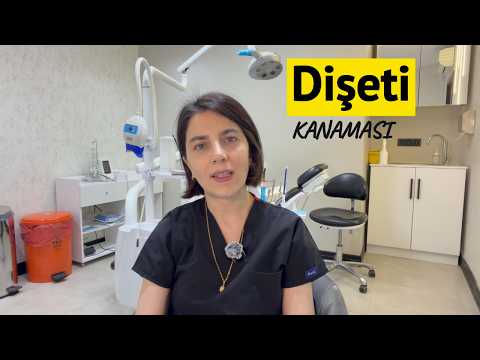
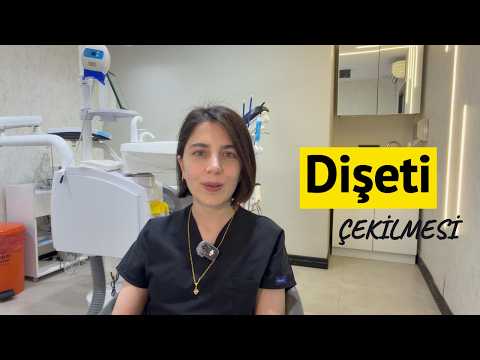
Watch our specialist dentist explain this topic in the videos below.
Medical review: Dt. Nergiz Hamamcı, Periodontology Specialist · 04.10.2026
Would you like more information about this service?
We can work out the most suitable treatment plan for you together.