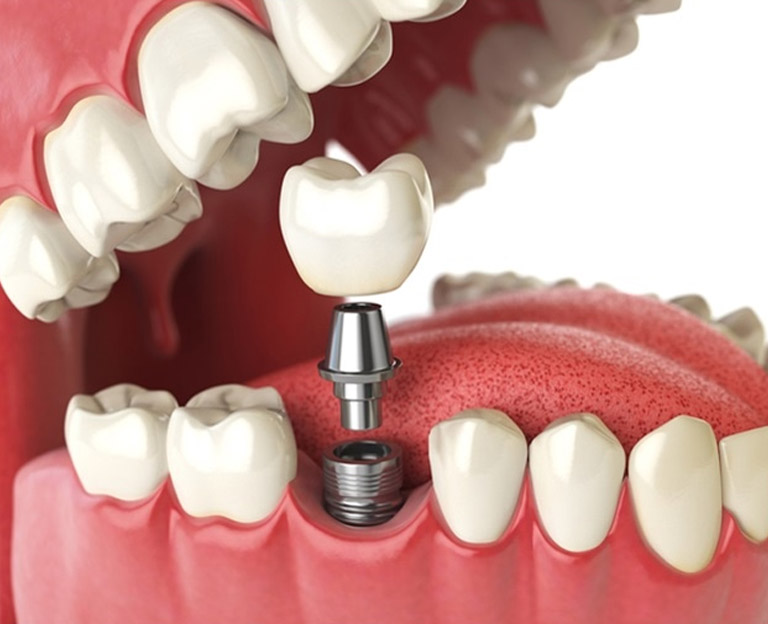
What Is a Dental Implant?
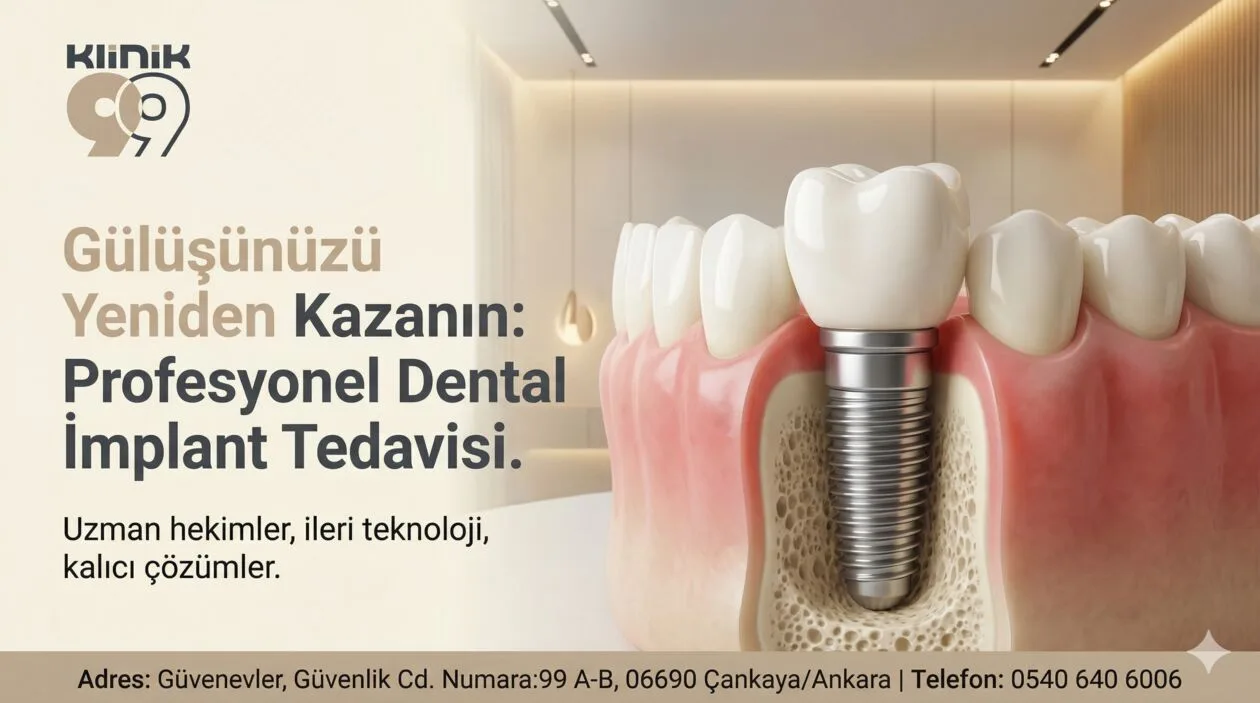
A dental implant is an artificial tooth root placed to replace lost teeth. It is usually made of titanium and integrates with the jawbone, functioning like a natural tooth. Dental implants offer many aesthetic and functional advantages.
The Importance of Care After a Dental Implant
Care after a dental implant is decisive for extending the life of the implant and protecting oral health. Without adequate care, inflammation can develop in the tissues around the implant (peri-implant mucositis and, at a more advanced stage, peri-implantitis), which puts the success of the implant at risk. According to an international consensus report, the main cause of this inflammation is bacterial plaque. The essentials of care are: brushing the teeth and the implant twice a day with a soft-bristled brush, cleaning around the implant with an interdental brush or floss, avoiding smoking, and attending a check-up at least every six months.
The Healing Process
The healing process after a dental implant varies from person to person. The implant is generally expected to fuse with the jawbone within 3-6 months. During this process, you can get through it more healthily by following your dentist's recommendations and paying attention to your oral hygiene.
Frequently Asked Questions
When can I return to normal eating after a dental implant?
You can eat liquid foods in the first days. However, depending on your dentist's recommendations and the progress of healing, you can return to normal eating.
Is pain normal after an implant?
Yes, mild pain and discomfort after an implant are normal. However, if the pain is severe and does not settle, you should see your dentist. For detailed advice on the first week, see our 7-day care guide.
Conclusion
Care after a dental implant is vital for the success of the implant and a healthy mouth. By paying attention to the care tips above, you can have a healthy smile. If you would like more information or to book an appointment, you can contact Klinik99.
Sources this article is based on
The information in this article is based on the sources below. You can read all of them free of charge via the links; under each one we summarise what it says.
- Peri-implant diseases and conditions: Consensus report of workgroup 4 of the 2017 World Workshop on the Classification of Periodontal and Peri-Implant Diseases and Conditions
Berglundh T, Armitage G, Araujo MG, et al. Journal of Clinical Periodontology 2018;45(Suppl 20):S286–S291 · doi:10.1111/jcpe.12957
What it says: International consensus report defining peri-implant diseases: plaque is the main cause of peri-implant mucositis, and peri-implantitis is a plaque-associated disease with progressive loss of supporting bone. It recommends taking baseline radiographs and measurements once the implant prosthesis is in place.
- Long-term (10-year) dental implant survival: A systematic review and sensitivity meta-analysis
Howe MS, Keys W, Richards D. Journal of Dentistry 2019;84:9–21 · doi:10.1016/j.jdent.2019.03.008
What it says: Review pooling prospective studies of contemporary implant systems: 10-year implant survival was 96.4%, or 93.2% when patients lost to follow-up were taken into account; the risk of loss was higher at age 65 and over.
Related Videos on This Topic
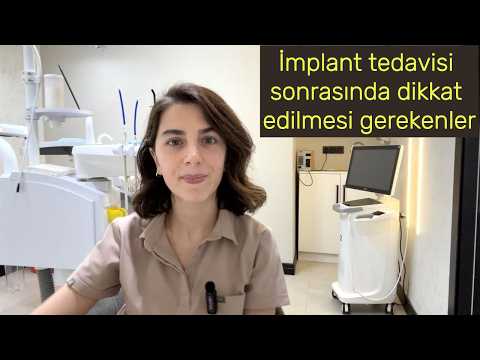
Watch our specialist dentist explain this topic.