Gum recession is a common periodontal problem that makes the teeth look longer, exposes the root surface and causes sensitivity to hot and cold. In most cases its cause can be identified and eliminated. This article covers the causes we see most often in the clinic. The treatment steps are described in our treatment article, and the options on our gum disease treatment page.
Local and general causes
Gum recession has both local (inside the mouth) and general causes. Finding which cause plays a role is the first step of treatment.
1. Incorrect tooth brushing (the most common cause)
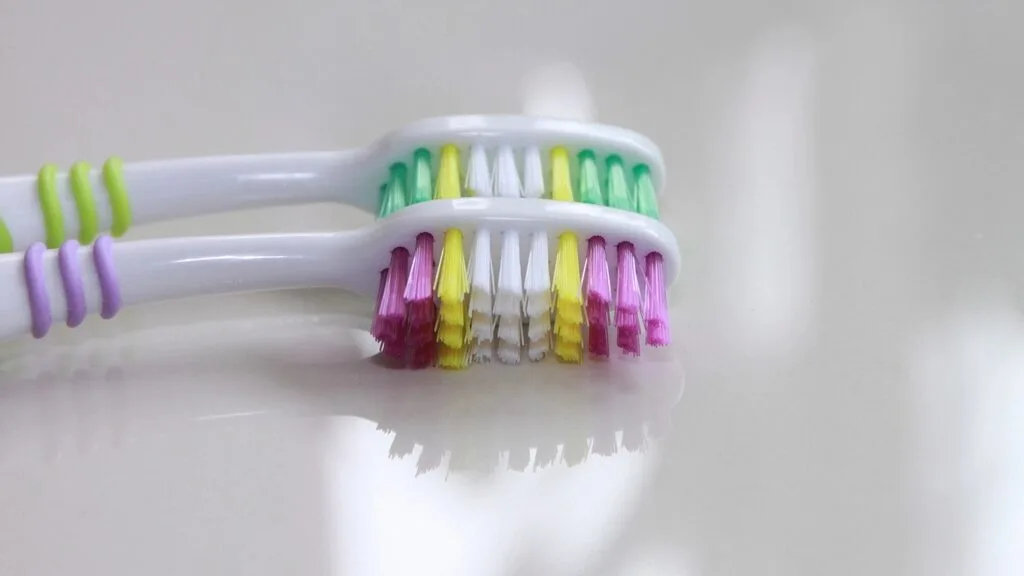
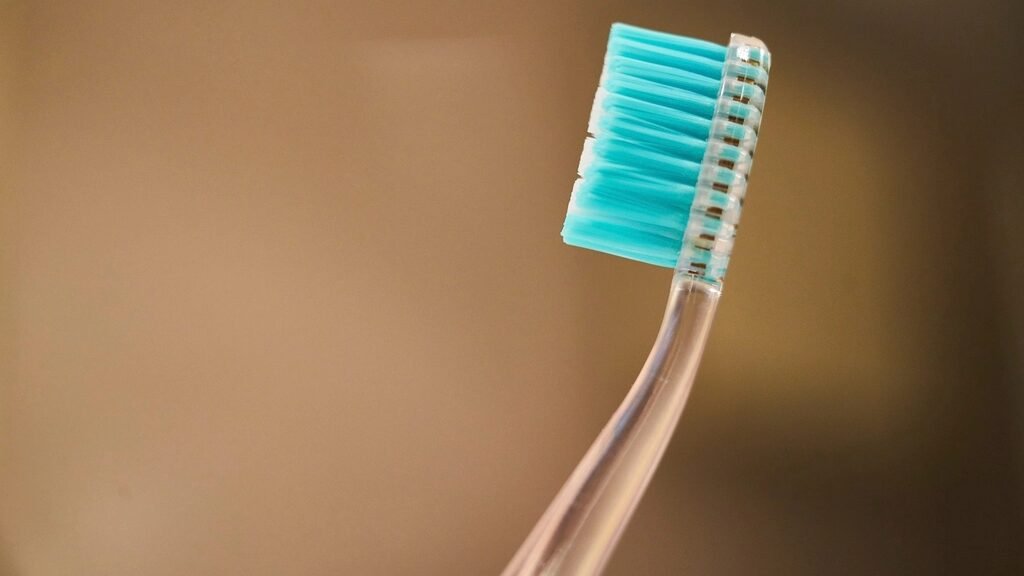
The most important factor we encounter in our clinic is incorrect brushing habits. The most common mistake in our society is brushing the teeth in a horizontal direction. Brushing in a hurry, not choosing the brush head in the right size or not choosing the bristles at the right hardness can lead to serious gum recession.
2. Habits
Some habits can cause gum recession in the long run:
- Nail biting
- Cracking seeds
- Tongue or lip piercings
3. High filling or prosthesis (occlusal trauma)
Sometimes, although it may seem insignificant, a filling being too high can cause gum recession. We call this occlusal trauma. High restorations, crowns and bridge prostheses should be evaluated in this respect. We see this often in our clinic. The consensus report of the 2017 World Workshop, however, states that there is no scientific evidence that excessive biting forces on their own cause gum recession; according to the report, these forces mainly lead to tooth mobility.
4. Teeth clenching (bruxism)
Occlusal trauma-related gum recession can also be seen in people who clench their teeth hard at night. This is an example of a general cause.
5. Tartar and gum inflammation
When tartar settles on the root surface, it causes material loss there. This process, which can begin with gum recession, can also lead to bone loss as it progresses.
6. Abnormal frenulum
If the frenulum (lip and cheek band) attached to the gum causes an abnormal muscle pull, gum recession can occur in that area. This band can be removed with a small surgical procedure.
7. Orthodontic treatment
Especially in the lower front area, in the young age group and in severe orthodontic cases, gum recession may be encountered after orthodontics. In this case the decision is made together with the orthodontist; sometimes the intervention is made while treatment continues, sometimes when it is finished.
8. Genetic structure and age
A thin, narrow gum (thin phenotype), genetic factors and age also play a role in gum recession. Recession develops more easily in people with thin gums.
What should you do?
Recession may not have a single cause; often several factors play a role together. For this reason the cause is found first and then eliminated. If the recession in the same area is progressing, sensitivity is increasing or looseness of the tooth has begun, we recommend consulting a periodontology specialist.
This article is for general information only. Every patient's situation is different; the treatment plan is determined together with your dentist after the examination and any necessary imaging.
Sources this article is based on
The information in this article is based on the sources below. You can read all of them free of charge via the links; under each one we summarise what it says.
- Periodontal manifestations of systemic diseases and developmental and acquired conditions: Consensus report of workgroup 3 of the 2017 World Workshop
Jepsen S, Caton JG, Albandar JM, et al. Journal of Clinical Periodontology 2018;45(Suppl 20):S219–S229 · doi:10.1111/jcpe.12951
What it says: Consensus report of the 2017 World Workshop: there is no evidence that excessive biting forces (occlusal trauma) cause attachment loss, cervical wear lesions or gum recession, although they can make teeth loose. It also highlights the importance of the gum phenotype.
- Mucogingival conditions in the natural dentition: Narrative review, case definitions, and diagnostic considerations
Cortellini P, Bissada NF. Journal of Clinical Periodontology 2018;45(Suppl 20):S190–S198 · doi:10.1111/jcpe.12948
What it says: Review stating that a thin gum phenotype increases the risk of recession, and that inadequate oral hygiene, orthodontic treatment and fillings at the neck of the tooth may also increase the risk.
- The Impact of Toothbrushing on Oral Health, Gingival Recession, and Tooth Wear—A Narrative Review
Kumar S, Gopalkrishna P, Syed AK, Sathiyabalan A. Healthcare (Basel) 2025;13(10):1138 · doi:10.3390/healthcare13101138
What it says: Review of how toothbrushing relates to gum recession and tooth wear: the common horizontal (back-and-forth) scrubbing technique increases wear at the neck of the tooth and gum recession; soft-bristled brushes were found to be safe.
Related Videos on This Topic
Watch our specialist dentist explain this topic.